
Budapest
Blended Intensive Programme in Budapest
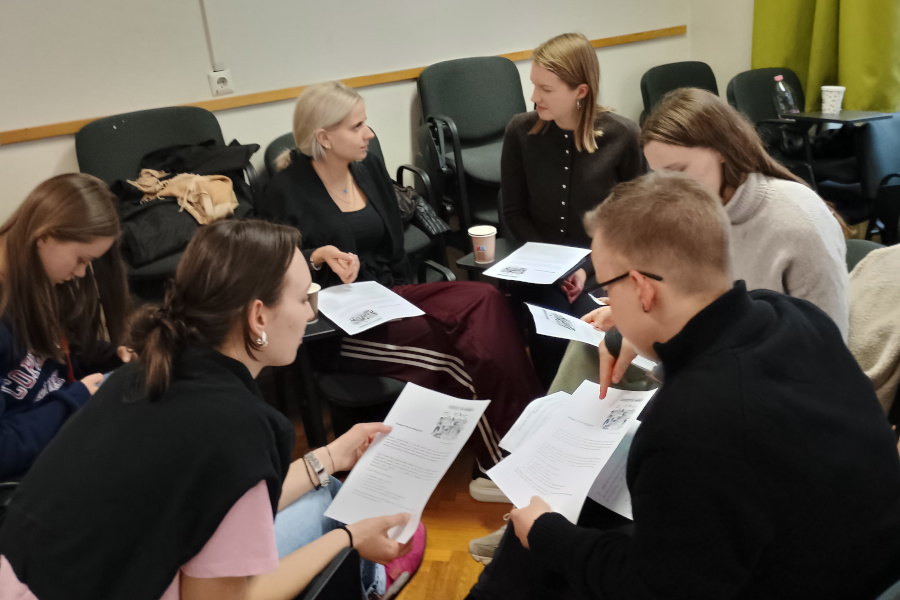
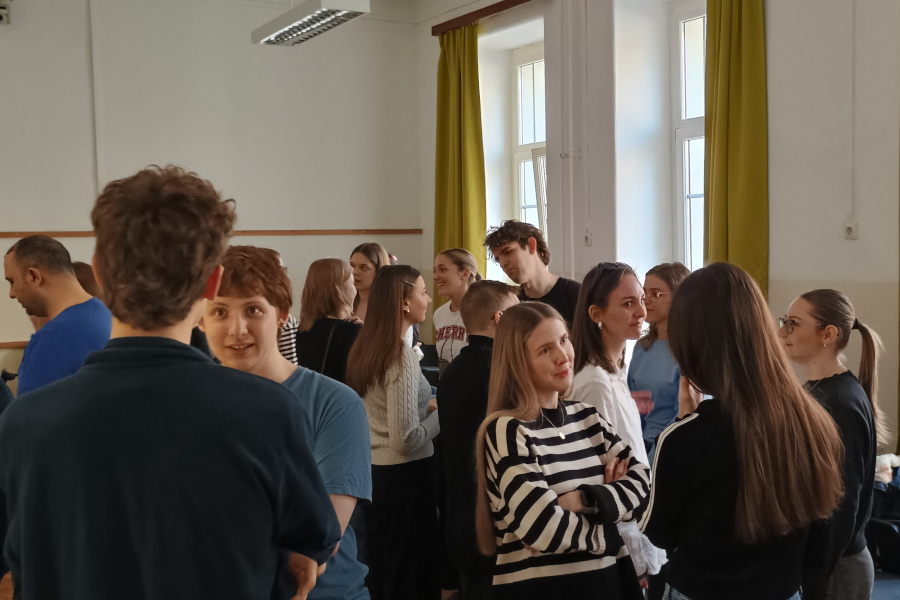
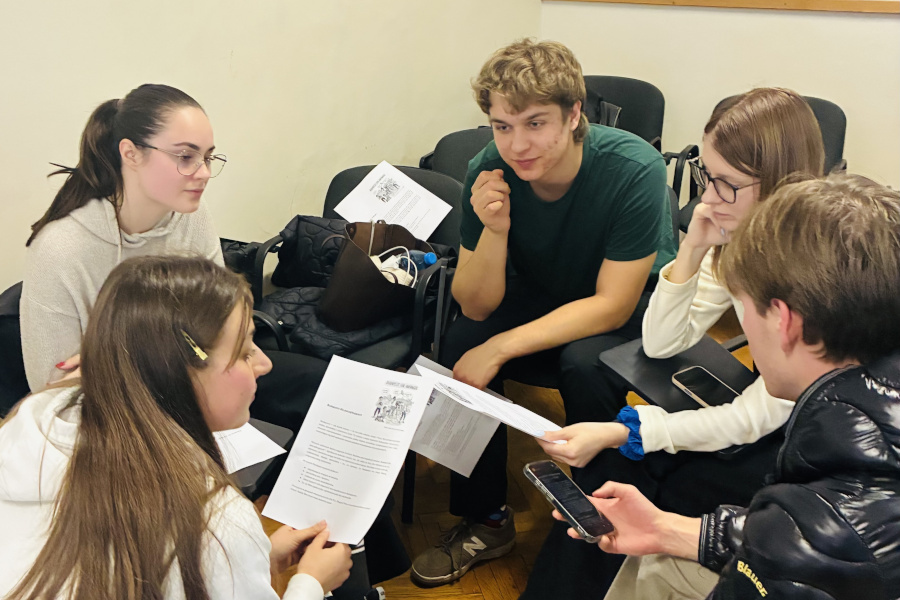
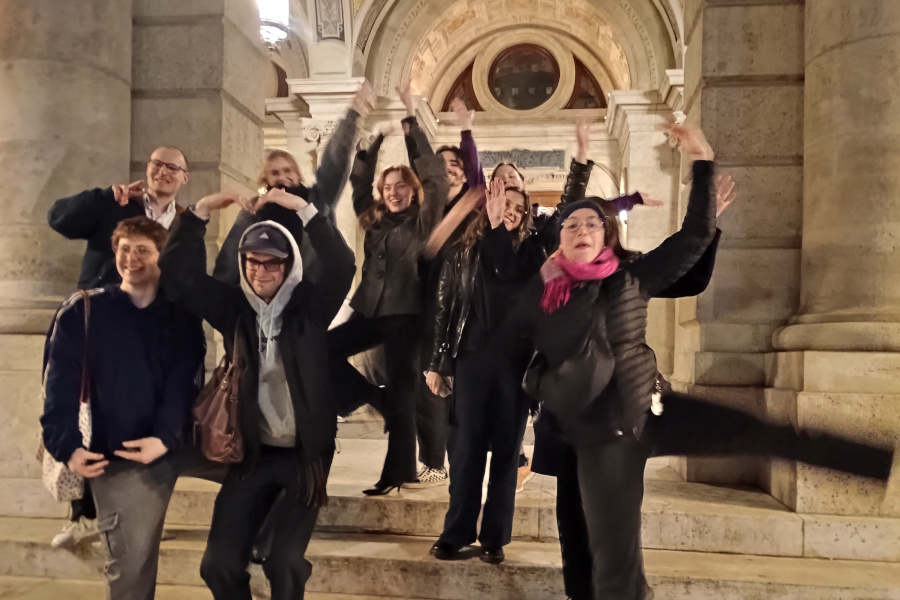
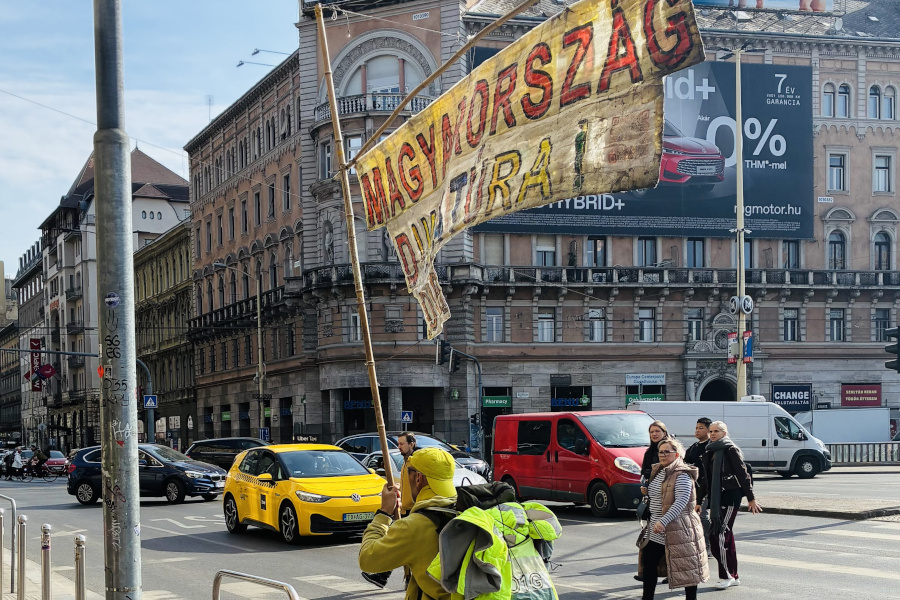
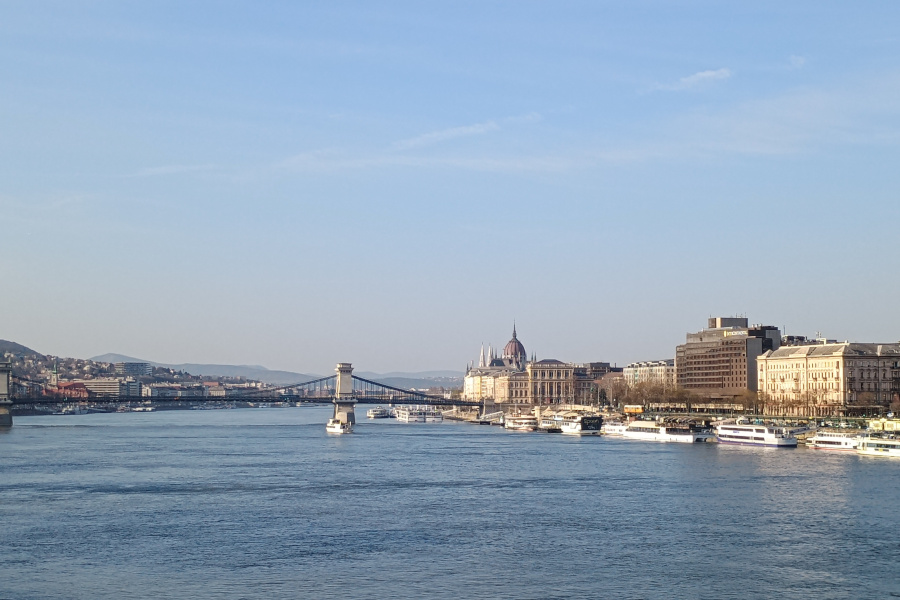
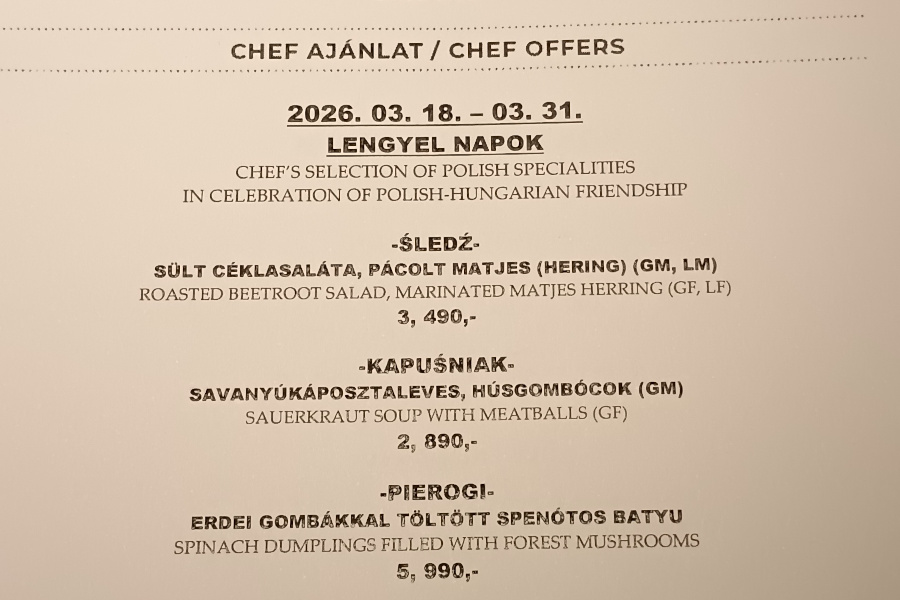
Study trip to Budapest as part of the BIP Viadrina – Warsaw – Budapest programme, 16–20 March 2026: Languages and minorities in Hungary, Poland and Germany – historical regions
The aim of the project was to facilitate the exchange of knowledge and experiences between students from Poland, Germany and Hungary on the subject of national minorities and their languages. The programme was conducted mainly in German, whilst the participants also communicated in Polish, which promoted integration and cultural exchange.
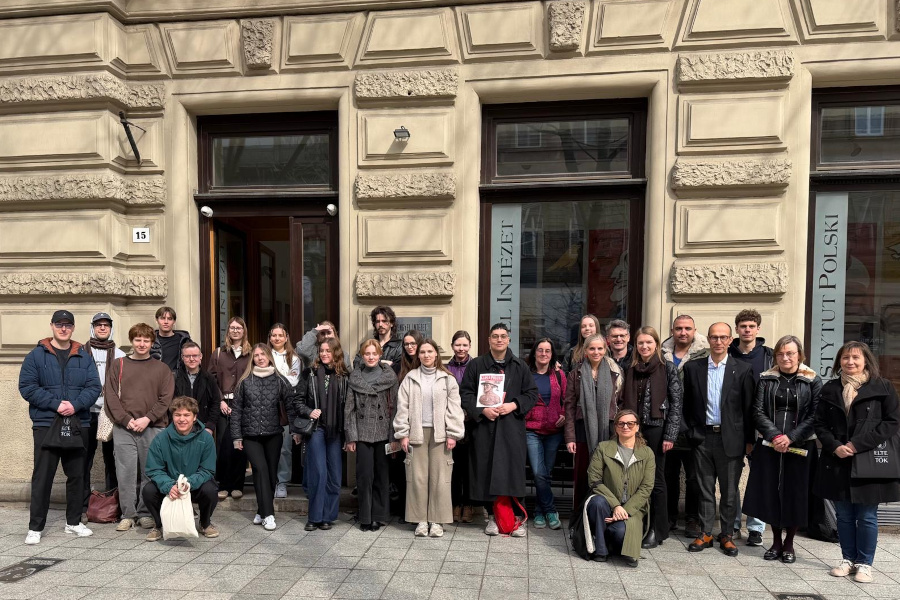
Following earlier meetings in Frankfurt (Oder) and Warsaw, Budapest was the next stage of the project. Around 30 students from the University of Warsaw, Viadrina European University and Eötvös Loránd University met there. Thanks to prior online meetings, the participants had the opportunity to get to know one another and to share their interests and favourite places in Budapest.
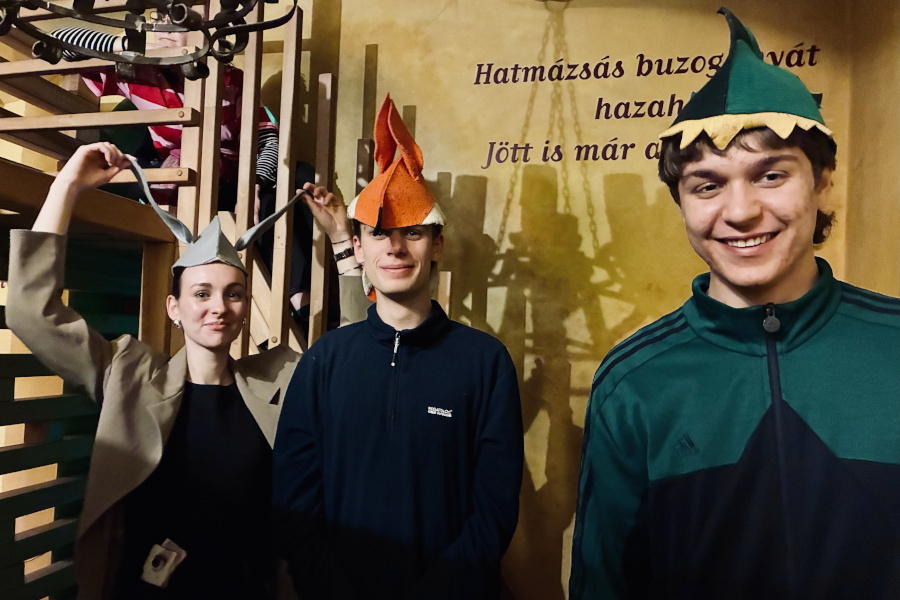
The programme included seminars and workshops on the topic of minorities, as well as events focusing on fairy tales and their cultural differences. The students also took part in integration events and workshops organised by Eötvös Loránd University. A highlight of the programme was a meeting with a German-Hungarian writer, who presented his works.
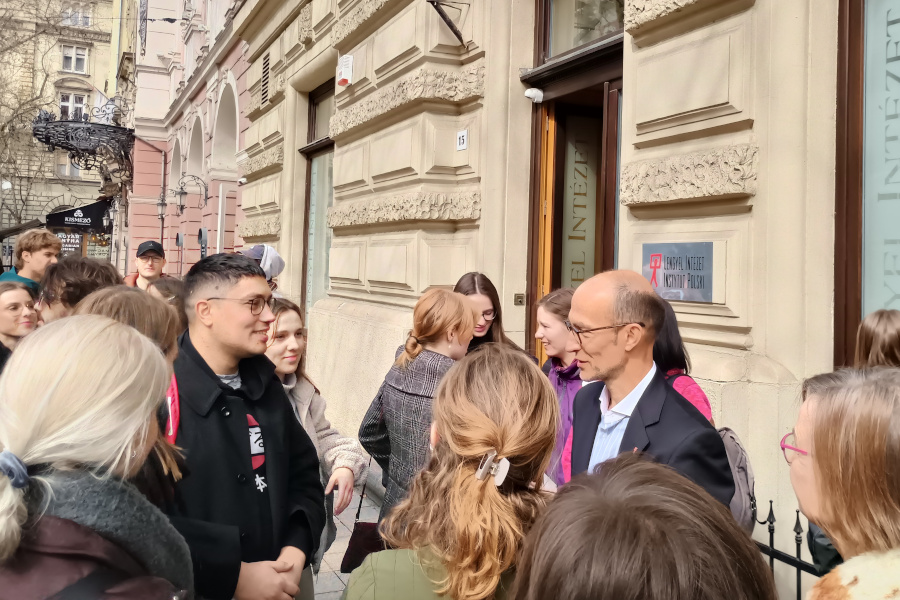
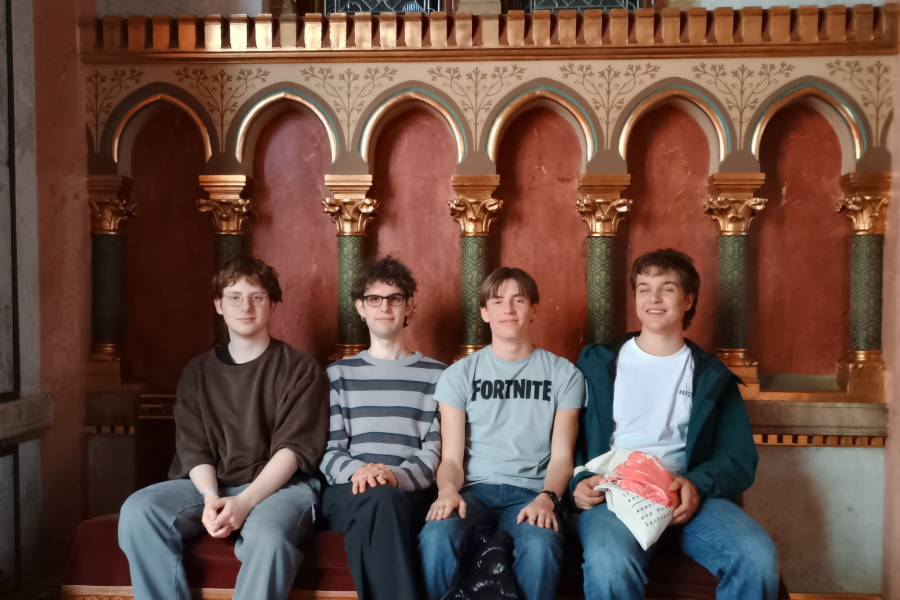
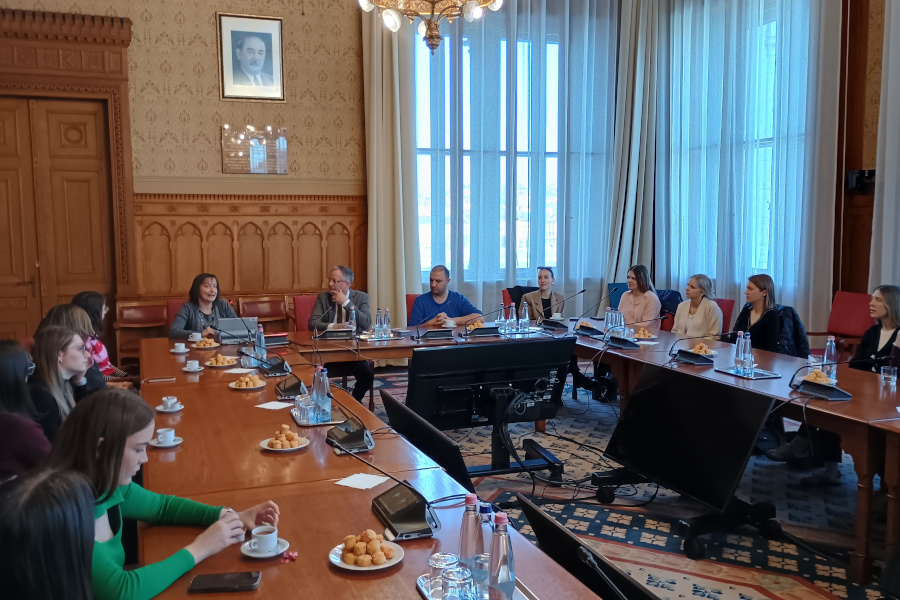
Another key part of the programme was a visit to the Polish Institute in Budapest, where the participants were able to gain a better understanding of Polish culture from an international perspective. The students also visited the Hungarian Parliament and met with a representative of the German minority in Hungary.
The programme also included a visit to the town of Mór, where participants learnt about the history and traditions of the German community in Hungary. The programme was rounded off with sightseeing tours in Budapest – both during the day and in the evening.
The participants unanimously emphasised that the project had been an extremely valuable experience. The greatest benefit of the project was the opportunity to get to know people from different countries and to view language and culture from a new perspective. One participant was particularly struck by the extraordinary atmosphere of Budapest – its architecture and the diversity of styles, as well as the city’s special ‘flair’. She also highlighted the importance of the community of German descent in Hungary and emphasised how well organised it is at a local level. She also noted that many Hungarians speak German very well, which helps to bring people closer together.
The programme was very varied and, at the same time, made it clear that, despite existing borders, we remain connected in a certain way.
The excursion was organised by Aleksandra Kubicka and Dr Tomasz Rajewicz and funded by the Erasmus+ programme as part of the “Blended Intensive Programme” (BIP) project.
Text: Sandra Gliszczynski